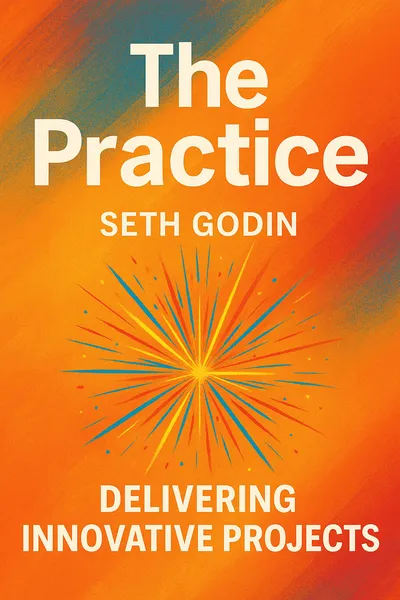
The practice
Delivering innovative projects
Description
Creativity is a skill that can be developed, not just an inborn talent. By consistently sharing your work, you cultivate a practice that enhances your creative abilities. This process is self-motivated and focuses on growth rather than results. The act of regularly producing and sharing work accelerates your creative development and improves your craft.
Creativity is about taking action, not just having an idea. To truly impact the world with your creations, start by changing your actions and commit to a routine of sharing your work. Through this, you'll discover your unique voice. Remember, there's no secret to creativity; it's about the willingness to make art, learning the necessary skills, and valuing the journey over the outcome.
Table of contents
01 The practice: conceptual foundations
In today's economy, individuals are often seen as mere components, but creativity remains a personal choice. To innovate or improve the world, cultivate a "practice" of regular creation, sharing, and distribution, guided by five core principles.
Believe in your creativity
In the past, the industrial economy was driven by outcomes; following a set of steps would typically lead to a promised result. However, in today's dynamic economy, there are no guarantees. The most valuable work now involves creativity rather than compliance. This shift is empowering because it allows anyone, including you, to embark on a creative journey and produce "art" in any form—be it writing, business ideas, services, products, or traditional art forms like paintings and songs. Art is your creative contribution, and you can start anytime without needing permission.
The bhagavad gita suggests that it's better to imperfectly follow your own path than to perfectly follow someone else's. The goal of a creative practice is to make an impact, to create magic with your work, whether it's solving widespread problems or standing up for a belief. As an artist, you initiate change without waiting for instruction or selection. Seth godin defines art as the work we do without a right answer, driven by the commitment to a practice we've chosen, even without a guarantee of success.
The modern culture is outcome-focused, but this mindset can lead to abandoning good processes if immediate results aren't seen. By committing to creativity and the process of making art, you're making an original contribution and doing work you're proud of, regardless of the outcome. Godin encourages acting as if you are already the artist you aspire to be, establishing your identity through your work. He suggests writing as a powerful tool for all creatives and advocates for sharing your work, even if just with a few people, to solidify your identity.
Share your creative works
Seth godin emphasizes the importance of persistence and generosity in creating art. He suggests that by sharing your work and embracing feedback, you engage in a process that can lead to significant change. Godin points out that not everyone will appreciate your art, but that's part of the journey. The goal is to create something that resonates with a specific audience, much like how niche tv shows have captivated smaller, yet deeply engaged audiences. He also highlights the importance of quality in art, not just in terms of technical specifications or luxury but in the creative magic that leads to breakthroughs.
Generosity, according to godin, is key to a successful practice. This includes recommending competitors when appropriate, showcasing a mindset of abundance. He encourages artists to embrace the uncertainty and discomfort that come with creating something new, suggesting that this is where true innovation and impact lie. Godin's perspective is a call to action for artists to be bold, generous, and unafraid of the challenges that come with making a difference through their work.

02 The practice : execution strategies
Embrace bold statements
Creating exceptional art demands having strong opinions and making bold assertions, even in the absence of certainty. Take the early 20th-century example of amanda jones, who, inspired by the idea that fruits could be canned without losing their flavor, developed a method to do just that. She patented her canning process and founded the women's canning and preserving company, entirely owned and operated by women. In just three months, they fulfilled 24,000 orders. This story illustrates that assertions are not about guarantees or ready-made solutions; they are about striving for improvement. As seth godin explains, an assertion is essentially a commitment to try, to deliver, and to be transparent about failures. It's about finding your audience, sharing a new idea, and inviting them to connect. This process starts with a personal assertion, which might be too premature to share with the audience, but it's this act of making an assertion that initiates a cycle of betterment.
Unlike managers who make definitive statements based on their authority, creatives engage in making assertions followed by questions that invite others on a journey, even in the absence of formal authority. Godin emphasizes that the goal of a professional creative is to effect a cultural shift, however small. Culture, seen as a voluntary conspiracy seeking connection and safety, can be influenced through assertions that invite others to join in. Art requires collaboration, and in the digital age, this is truer than ever. By making assertions, either through words or actions, creatives start a journey, gathering co-conspirators along the way. This is the essence of organizing a conspiracy that fuels art, demonstrating that bold assertions are the first step in the creative process and in initiating cultural change.
Master skills through practice
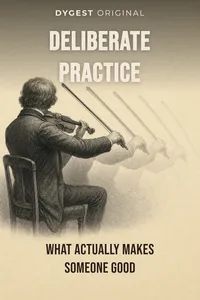
To excel as an artist and become a leader in your field, disregard the notion that genetics or innate talents are crucial. What truly matters is the dedication to daily practice, which hones your skills incrementally. Embrace a mindset that finds joy in the process, particularly in aspects others may shun. This attitude fuels innovation and distinguishes your work.
Trust in your creative routines, believing in your ability to produce exceptional work when you adhere to your established methods. Surround yourself with a supportive network of respected peers who can motivate you through their examples and interactions. Their encouragement is invaluable as you undertake significant projects.
Identify your unique strength—your "superpower"—and leverage it to its fullest potential. Just as fedex is synonymous with speedy deliveries, you should focus on what sets you apart, even if it means neglecting other areas. Outsourcing tasks that fall outside your expertise allows you to concentrate on enhancing your primary skill.
Commit to lifelong learning to continuously refine your abilities. This dedication will elevate you to world-class status in your art. Start now; don't wait for expertise to come to you. Deepen your domain knowledge by engaging with the literature of your field, including works by those you may disagree with. Understanding the thoughts of both pioneers and current leaders is non-negotiable. As seth godin notes, an admired artist stands for something, a commitment that comes from a deep understanding of their field.
Related books