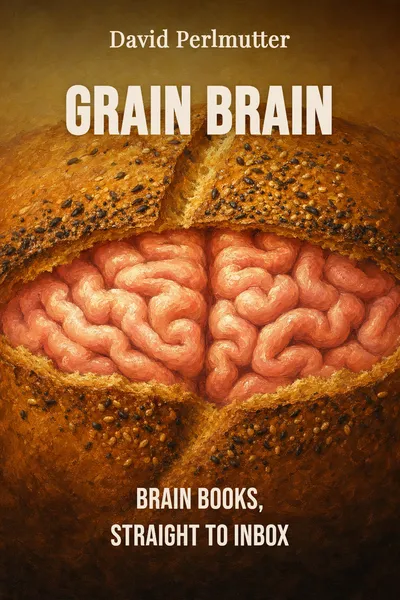
Grain Brain
Brain books, straight to inbox
Description
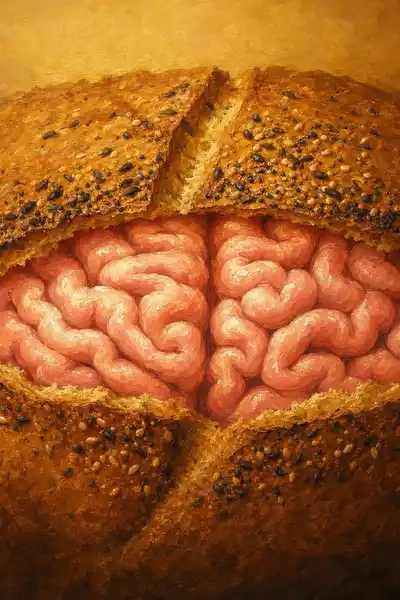
In 2013, a Florida neurologist named David Perlmutter published a book with a title designed to make people flinch: Grain Brain. The premise, stated on almost the first page, was that the foods most of us treat as wholesome and even virtuous — bread, pasta, cereal, the whole-grain toast we butter without a second thought — were quietly damaging the organ we care about most. Not the heart, not the waistline. The brain. Perlmutter, who had spent decades treating patients with memory loss, headaches and cognitive decline, argued that what we eat reaches the brain long before it shows up on a scale, and that modern diets were feeding a slow epidemic of neurological trouble.
The claim was deliberately provocative, and it landed. Grain Brain climbed to the top of the bestseller lists and stayed there, translated into dozens of languages, argued about at dinner tables and in clinics. Part of its reach came from timing — anxiety about Alzheimer's was rising, and here was a book saying the disease might have something to do with the sandwich in your hand. Part of it came from the sheer nerve of the framing: carbohydrates, the base of the old food pyramid, recast as a threat to the mind.
Perlmutter builds his case around a handful of ideas he returns to again and again — blood sugar, inflammation, dietary fat, and a grain protein most people had barely heard of. The book reads less like a diet manual than like a neurologist trying to change how we think about the plate. Whether the science fully backs him is its own conversation, one the medical world has had loudly since. But the argument itself is worth following on its own terms.
The question we’re asking : What does a neurologist mean when he says the food on our plate is quietly shaping the brain?What we’ll see : How Grain Brain reframes carbohydrates, sugar and fat as neurological questions rather than waistline ones — and what that reframing asks of us.
Table of contents
01 Chapter 1 — The grain on trial
The book opens by putting a single culprit in the dock: grain, and specifically the gluten it carries. Perlmutter's argument is that gluten — the protein that gives bread its stretch and chew — is not the harmless staple we assume, but a substance the human body handles far less cleanly than the label suggests. He extends the idea well beyond people with celiac disease, the roughly one percent who cannot tolerate gluten at all. His claim is that sensitivity runs on a spectrum, and that many people carry a low-grade reaction they never connect to how they feel.
Where most discussions of gluten stay in the gut, Perlmutter drags the conversation upward, to the brain. He argues that the immune and inflammatory response gluten can trigger doesn't stay politely in the digestive tract. It spreads, and the brain — sensitive, metabolically demanding, poorly equipped to repair itself — is among the organs that pay. He points to patients whose headaches, brain fog, mood swings and neurological symptoms eased when grain came off the plate, and he treats these cases as clues rather than curiosities.

02 Chapter 2 — What sugar does behind the scenes
If gluten is the book's headline villain, sugar is its quieter, more relentless one. Perlmutter's argument here rests on a mechanism he returns to constantly: blood sugar and the hormone that manages it, insulin. Every time we eat something that spikes blood glucose — and refined carbohydrates spike it hard — the body releases insulin to bring it back down. Do this often enough, over years, and the system starts to wear. Cells stop responding properly. This is insulin resistance, the state that precedes type 2 diabetes.
The book's real interest is what that resistance does upstream, in the brain. Perlmutter leans on research suggesting a tight link between blood-sugar trouble and cognitive decline — so tight that some researchers, whom he cites approvingly, have floated the phrase "type 3 diabetes" to describe Alzheimer's. The idea is that the brain, too, can become resistant to insulin, starving its cells of the fuel and signalling they need, and that decades of glucose spikes lay the groundwork for exactly that.
03 Chapter 3 — The fat we were told to fear
Having spent two chapters prosecuting carbohydrates, the book turns to defend the nutrient most of us were raised to avoid: fat. Perlmutter's case is partly historical. For decades, dietary advice treated fat — especially saturated fat and cholesterol — as the enemy, blamed for heart disease and pushed to the margins of the plate. In the space it vacated, he argues, carbohydrates rushed in. The low-fat era, in his reading, was also the era of rising obesity, diabetes and cognitive disease, and that overlap is not a coincidence he's willing to ignore.
His neurological point is more specific. The brain is, physically, mostly fat. Cholesterol is not a contaminant to be scrubbed out but a building block the brain depends on — for cell membranes, for the insulation around nerves, for the machinery of thought itself. Perlmutter argues that the war on cholesterol misread the organ that needs it most, and he's openly skeptical of the reflex to drive cholesterol numbers ever lower, worrying about what that does to a brain built from the stuff.
04 Chapter 4 — Eating for a brain, not a waistline
Step back from the specific villains and defenders, and Grain Brain is making one larger move: it treats the brain as a metabolic organ, subject to the same forces of fuel, inflammation and repair as any other part of the body. This is the quiet radicalism underneath the diet advice. We tend to think of the mind as somehow above the biology of digestion — a thing of memory and personality, not blood sugar. Perlmutter refuses the separation. In his account, the choices we make about food are, whether we know it or not, choices about neurology.
That reframing turns diet into a kind of preventive medicine for the mind. The book's most hopeful thread is that conditions we've long treated as fated — the slow fog of aging, the fear of dementia lurking in the family history — might be more open to influence than we assumed, through inputs as banal as breakfast. It's an argument about agency: that the brain's future is not simply handed down in the genes but shaped, daily, at the table.
05 Conclusion
The book that opened with a flinch-worthy title ends with a fairly simple instruction: feed the brain like the fat-built, sugar-sensitive, inflammation-prone organ it is. Cut the grains and the sugar, restore the fats we spent decades avoiding, and treat the daily plate as something the mind will answer to years down the line. Whether readers followed the program fully or borrowed a few of its habits, Grain Brain succeeded in the thing it most wanted to do — it made people look at a slice of bread and think about their memory.
Related books