
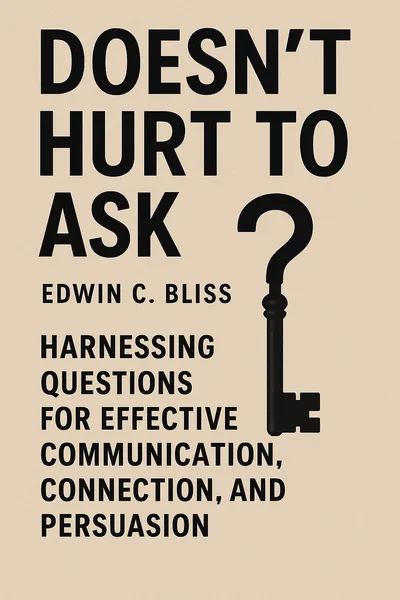
Doesnt hurt to ask
Harnessing questions for effective communication, connection, and persuasion
Description
Procrastination blocks achievement, but can be overcome through systematic change. First, honestly evaluate why you delay important tasks. Next, set realistic deadlines and plans for completing work. Also, minimize distractions, while rewarding progress.
Additionally, identify personal procrastination triggers, then develop techniques to reverse those patterns. Finally, start small with anti-procrastination goals, evaluate progress frequently, and refine your approach over time. Committing to an evidence-based methodology paves the road to productivity.
Table of contents
01 Adjust your attitude
Procrastination, a widespread behavior, is often misunderstood as laziness, yet it stems from various deeper causes including attitudinal factors, cognitive blocks, environmental conditions, and physiological barriers. Successful individuals demonstrate the significant achievements possible when procrastination is managed, highlighting the importance of self-discipline as emphasized by figures like Ray Kroc and John Gardiner. The Roman poet Publius Syrus and psychologist Dr.

02 Make a game plan
Overcoming procrastination involves understanding its root causes and applying specific strategies. Pigeonholing helps identify why procrastination occurs, focusing on underlying reasons rather than the behavior itself. The salami method involves breaking down overwhelming tasks into small, manageable steps, allowing for gradual progress.
Similarly, the leading task approach encourages starting with small parts of the project to build momentum. For particularly daunting tasks, committing to just five minutes of work followed by a break can make starting less intimidating. Tackling the most challenging part first, known as the worst first system, can also reduce procrastination by making the rest of the task seem easier.
03 Overcome fear of winning
Fear is a significant factor in procrastination, creating doubts and worries that hinder action. Overcoming fear is crucial to combat procrastination. Unchecked fears can paralyze us, preventing the pursuit of goals by sapping motivation and convincing us of inevitable failure.
However, failure is a normal part of any endeavor and should be embraced as a learning opportunity. Successful individuals view failures as lessons, guiding them on what to avoid in the future. Perfectionism also contributes to procrastination, as the desire for flawless work from the start is unrealistic.
04 Raise your energy
Overcoming the fear of success requires understanding why we avoid reaching our potential, typically due to faulty logic, past failures, and fear of added responsibilities. Some believe that easy success is undeserved, limiting their growth out of a misplaced sense of fairness. However, this self-sabotage ignores that our efforts are valid regardless of others' struggles.
Additionally, dwelling on past mistakes wastes mental energy. A healthier approach is to make amends and move forward without the weight of regret. Success brings more responsibilities, but instead of avoidance, we can prepare by developing skills and confidence through small victories.
05 Get tough on yourself
Fatigue is a common cause of procrastination, but it can be overcome by acting with enthusiasm, which can evolve into genuine energy. Regular, short bouts of exercise are more beneficial than infrequent, intense sessions, and incorporating movement into desk work, such as using stand-up desks, can combat lethargy. Short breaks, like a 15-minute nap, can restore mental sharpness, but excessive relaxation can lead to avoidance.
06 Create an action space
We often underestimate our mental strength and willpower, mistakenly believing we lack discipline. However, history demonstrates that ordinary people can exhibit extraordinary determination when motivated by crisis or purpose. To harness this potential, it's essential to practice small acts of discipline, gradually building willpower until exceptional effort becomes habitual.
Consider high achievers; they are not inherently different but have chosen to work harder, sustaining their ambition with discipline and persistence. Over time, their work ethic evolves into a self-sustaining energy source, making self-discipline an automatic behavior rather than an occasional act of will. This concept of adaptation under stress applies to all living things, including our capacity for willpower.
07 Use reinforcement
Creating an orderly workspace is crucial for productivity and reducing procrastination. The layout and contents of the space should encourage action by having necessary tools within reach, maintaining organization, effectively handling paperwork, minimizing distractions, and separating work from leisure areas. For instance, a carpenter's workbench should be organized with tools and materials neatly arranged, while an accountant should have files and calculators close by.
08 Consider intentional waiting
Overcoming procrastination involves adopting a positive approach that emphasizes small, achievable goals and consistent self-reinforcement. Dr. David Premack's principle of reinforcement suggests that rewarding less probable behaviors increases their likelihood of recurrence.
By rewarding actions that align with our goals, we strengthen the neural pathways that drive motivation. Rewards should closely follow the behavior to create a clear connection between effort and pleasure, and they don't have to be extravagant—simple acts of relaxation or enjoying a treat can suffice. Acknowledging and appreciating our own progress is crucial.
09 Manage your time well
Quintus Fabius, known as "Cuncator" for his strategy of deliberate delay against Hannibal's invading forces, employed tactics of harassment and avoidance rather than direct confrontation. His approach, though criticized in Rome as cowardly, aimed to conserve Roman resources and strain Hannibal's supply lines. The wisdom of Fabius's strategy became apparent after the Romans, under a new commander, suffered a catastrophic defeat at the Battle of Cannae, where Hannibal's smaller force outmaneuvered and decimated the Roman army.
10 Use visual reminders
Effective time management is essential for making the most of the 24 hours in a day. It involves planning and prioritizing tasks to focus on long-term goals alongside daily responsibilities. By setting aside dedicated time for personal growth and using tools and techniques to streamline tasks, individuals can work more efficiently.
Avoiding multitasking and setting clear boundaries for work can help maintain a balance between professional and personal life. Regular breaks and exercise can improve focus and productivity. Additionally, leveraging technology can automate processes, saving time for more important tasks.
11 Learn to counter excuses
Motivation often comes from within, and one way to ignite it is by surrounding yourself with powerful maxims that resonate with your aspirations. By placing these phrases where you'll frequently see them, they can serve as a constant reminder to take action and make the most of the present. Consider adopting sayings like "Do it now," "Make today count," or "Be a doer, not a dreamer.
" These simple yet profound words can help combat procrastination and inspire you to move forward. Reflect on the habits that may be holding you back, such as reaching for temporary comforts instead of pursuing long-term goals. For instance, a woman who used to seek solace in food changed her course by enrolling in college, prompted by a sign on her refrigerator that redirected her from the path of comfort to one of success.
12 Deal with top excuses
Procrastination is often justified with a myriad of excuses, from not feeling like it to claiming poor timing or difficulty. People procrastinate by saying they're too busy, lack information, or are tired. Some blame external factors like the weather or believe they work better under pressure.
However, successful individuals see through these excuses and use procrastination as a cue to take action. When we find ourselves making excuses, it's crucial to challenge their truth and push past them. Starting can create momentum, making tasks less daunting and knowledge gaps filled by learning through doing.
Related books