

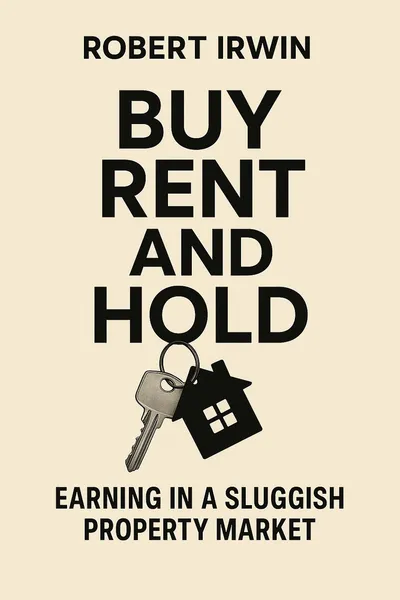
Buy rent and hold
Earning in a sluggish property market
Description
Real estate investing seems simple on the surface. Just buy low, rent high, and sell at the peak. But successfully executing that basic strategy takes skill and experience. You need to accurately time purchases before price bottoms. And set rental rates to cover all ownership costs - mortgage, repairs, taxes.
Most importantly, hold through up and down cycles until values hit a new high. Then sell to maximize investment returns. Of course, perfect timing is impossible to guarantee. But the buy, rent, hold approach puts the odds of profitability in your favor. With careful analysis and patience, it can build wealth over the long run.
Table of contents
01Property investment core actions
Generating consistent profits in real estate hinges on three critical activities: buying properties below market value, renting them out effectively to cover costs, and holding onto them until the market appreciates. While the concept is straightforward, its execution is fraught with challenges. Nevertheless, those who invest the necessary effort can reap significant returns.
The key to profitability in real estate lies in purchasing properties at the right price. Investors should aim to identify when market prices are at their lowest before they begin to climb. It's also crucial to find sellers who have realistic price expectations and are ready to close deals swiftly. Having financing arranged in advance is beneficial, as it allows for quick action when opportunities present themselves. Although paying more for properties in desirable neighborhoods might seem counterintuitive, these areas often offer faster appreciation and easier tenant acquisition. However, buying low is not without risks, such as potential further declines in property values or rental income that fails to cover expenses. Overextending financially can lead to the need for personal budget cuts to sustain investment properties.

02Guidelines to purchase best deals
Investing in rental properties can be a profitable venture if approached with a well-thought-out strategy. One of the key guidelines is to buy properties close to where you live. Proximity allows for easier management and quick response to any issues that may arise. It's often impractical to manage rentals that are far away, but fortunately, there are usually good deals within your local area.
When searching for properties, consider single-family homes as they are generally easier to buy, rent, maintain, and sell compared to commercial properties. They also tend to have fewer hidden costs. It's advisable to start with a market segment you are familiar with to avoid unnecessary risks.
The strength of the rental market in the area is also crucial. A hot housing sales market usually means lower rental inventory as more people buy homes. Conversely, when home sales decline, the rental market often strengthens, creating more opportunities for investors. Always think from the perspective of potential tenants and choose locations and property types that would be attractive to them.
03Ideal market entry timing
Timing the real estate market is a complex task that requires careful consideration of various factors, including market conditions, interest rates, and economic trends. The real estate market operates in cycles, and understanding these cycles can help investors make informed decisions. One of the most advantageous times to invest in real estate is during a buyer's market, which occurs when there is an oversupply of properties. This is typically when prices are declining but have not yet hit rock bottom.
The ratio of property inventory to sales provides a clear indication of when the housing market has bottomed out. Inventory refers to the current number of homes being offered for sale, while sales reflect the actual number of houses sold within a given period. Tracking both metrics can show whether supply is expanding or contracting versus buyer demand.
04Locating motivated sellers
Motivated sellers can help structure win-win real estate deals. Finding these sellers involves targeting several situations. First, seek out the highly-motivated. Determine what motivates selling - job relocations, wanting different houses, lost jobs, personal issues like divorce, or simply desiring change. Most eager sellers will explain their reasons, allowing win-wins - meeting their needs while benefitting long-term. Consult numerous brokers who know motivations.
Second, buy foreclosures. To find those facing this, check "for sale by owner" properties, talk to agents and title companies, watch for required newspaper foreclosure ads, and if possible, contact local lenders. Discuss options that could save sellers’ credit ratings. Costs include back payments, late fees, 5% to close a new loan, and repairs. If you know all figures, create deals adding value for everyone by packaging attractively. Consult foreclosure attorneys.
05Real estate financing tips
When purchasing real estate, securing favorable financing terms is crucial for a successful investment. If possible, consider living in the property after closing. Lenders often offer better terms to owner-occupiers compared to investors, including lower interest rates and closing costs. By residing in the home initially, you can take advantage of these terms legally before renting it out as an investment property.
Regarding the down payment, while the idea of "no money down" financing is attractive, it can lead to challenges in making payments later on. A substantial down payment, typically 20-30%, is usually required by lenders, but some may accept as little as 10% if you can cover the mortgage payments through rental income or personal funds. Structuring the repayment schedule to match your financial capabilities is essential. Exploring seller financing is another strategy worth considering. Sellers can offer up to 100% financing, potentially at favorable rates, although their ability to do so may be limited if they have existing mortgages.
06Maximize rental profits
Operating rental properties requires a careful balance between tenant relations and business realities. To maximize rental income and minimize headaches, landlords should approach property management as a business, not a social service.
Start by renting a clean, well-maintained property. Tenants expect to maintain the unit in the condition they found it. Dirty or neglected properties can lead to problems down the road as they suggest landlords don't care about how tenants treat the space.
Consider covering some ongoing expenses like landscaping, rather than passing every cost to tenants. Such gestures can make tenants' lives easier and encourage them to continue renting from you. It's crucial to thoroughly vet all prospective renters. Obtain credit reports and contact previous landlords. Gathering as much information as possible before making rental decisions can reduce risks. Allowing children and pets can attract reliable long-term tenants. Set reasonable limits on the types and numbers of pets instead of outright bans.
07Realizing investment gains
Real estate investing through the buy-rent-hold strategy can lead to significant profits, especially when the exit from the investment is well-timed and structured. Identifying the right moment to exit involves recognizing market peak indicators, such as increased mainstream attention towards real estate, a narrowing gap between list and sales prices (particularly when it falls below 5%), and a surge in new listings, which may indicate a market top. These signs suggest that the market demand is nearing saturation, potentially leading to a price drop.
Robert Irwin emphasizes that perfect timing of the market peak is less crucial than achieving a satisfactory return on investment. Investors should set a profit threshold that justifies their capital and effort, and consider selling once this target is met, regardless of whether the market has reached its absolute peak. This approach allows for substantial profits while the market is still favorable and provides an opportunity to reinvest when prices are lower. When planning the exit, it's advisable to structure it in a way that minimizes costs such as taxes, commissions, and fees, which can consume up to 10% of the proceeds. Options like holding onto the property or refinancing can enable investors to realize profits without incurring these costs. Holding the property offers ongoing income, while cash-out refinancing can turn appreciation into liquid assets, though it requires careful consideration of increased mortgage payments.