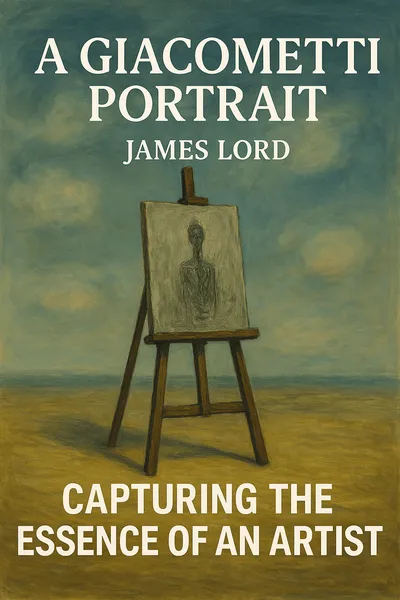
A Giacometti Portrait
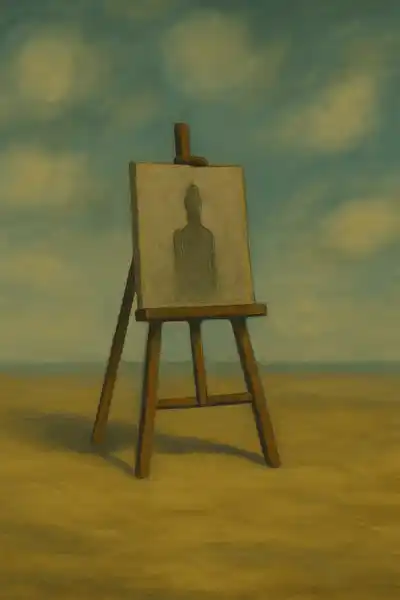
Capturing the essence of an artist
Description
James Lord's account emerges from his direct experience as a model for Alberto Giacometti during eighteen sessions in 1964. This work transcends conventional art biography by offering an unprecedented window into the creative process of one of twentieth-century sculpture's most enigmatic figures. Lord's privileged position as both observer and subject allows him to document the psychological and philosophical dimensions of artistic creation, situating his testimony within the broader context of existentialist aesthetics and post-war European art.
The central research question driving this exploration asks: How does the artistic process reveal the fundamental tension between the artist's vision and the impossibility of perfect representation? Lord defends the thesis that artistic creation constitutes an existential struggle where the work's value emerges not from completion but from the perpetual confrontation with inadequacy and failure. The main stake is to demonstrate that true artistic authenticity resides in the acknowledgment of representation's limitations rather than in achieving mimetic perfection.
Table of contents
01 The Phenomenology of Creative Obsession
Lord's narrative unveils Giacometti's creative method as a phenomenological investigation into the nature of seeing and being seen. The artist's compulsive destruction and reconstruction of the portrait reveals a fundamental anxiety about representation's capacity to capture essential truth. This obsessive cycle transcends mere technical perfectionism, manifesting instead as an existential confrontation with the gap between perception and reality.

02 The Temporality of Artistic Production
The eighteen-day duration of the portrait sessions reveals the complex temporality inherent in artistic creation. Lord's account demonstrates how Giacometti's relationship with time defies conventional notions of progress and completion. Each session constitutes both continuity and rupture, where previous work is simultaneously preserved and obliterated.
03 The Politics of Artistic Solitude
Giacometti's studio emerges as a space of radical isolation where conventional social relations are suspended in favor of an intense encounter with the creative process. Lord's presence as model becomes secondary to the artist's internal dialogue with his own limitations and aspirations. This solitude reveals the inherently political dimension of artistic practice, where the refusal of social compromise enables a more authentic engagement with truth.
04 The Ethics of Representation and Recognition
The portrait sessions raise profound ethical questions about the relationship between artist and model, representation and reality. Lord's dual position as observer and observed reveals the complex power dynamics inherent in artistic representation. Giacometti's treatment of his model reflects broader questions about human dignity and the ethics of using others as means to artistic ends.
05 Critique and Contemporary Relevance
Lord's account succeeds in demonstrating that Giacometti's artistic method embodies a fundamental philosophical position about the nature of truth and representation. The portrait sessions reveal how authentic artistic practice requires a willingness to embrace failure and incompletion as essential components of the creative process. The work's intellectual contribution lies in its demonstration that artistic value emerges not from technical mastery or market success, but from the intensity and authenticity of the encounter between artist and subject. Lord's testimony provides compelling evidence for understanding modern art as a form of existential inquiry rather than mere aesthetic production.
Related books